 AIS
Solar-powered biomass energy extraction
&
carbon capture
An integrated operation where the sun, the forest, the cattle and the soil all work together.
One operation, nothing wasted
Each part of the operation feeds another. The plant runs on sunlight, so making fuel from the biomass doesn't burn other fuel to do it.
Tap the diagram to see it full screen.
From sunlight to fuel and back to the land
Capture the sun
A solar PV array, backed by non-metal battery storage, powers the plant, the greenhouses and the station around the clock.
Grow the biomass
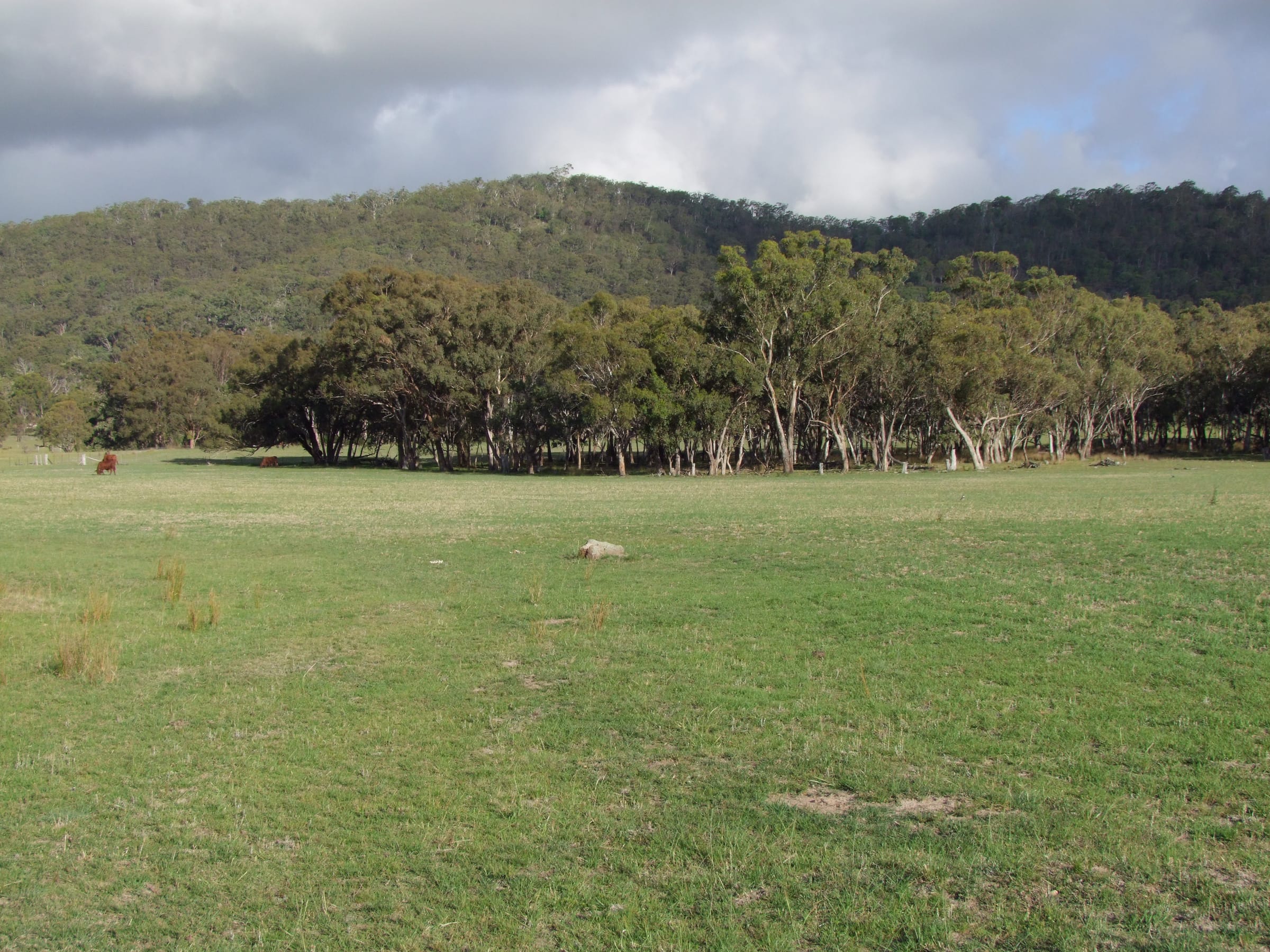
Sailor Jack's own 1,600 hectares of forest and 2,800 hectares of leased forest at Donnybrook and Remington supply the biomass. Trees are harvested responsibly and replanted, so the supply keeps renewing itself. Of the roughly 100 hectares of cleared land, half stays as pasture for the cattle and the other half will be planted out as a plantation.
Convert it
Solar-powered electric heating cooks the biomass without air, splitting it into biochar and syngas, a mix of hydrogen and carbon monoxide. A Fischer–Tropsch plant then builds the syngas up into petrol and diesel, and fertiliser is made alongside, all without burning extra fuel.
Use what's left
Spare heat and CO₂ go to greenhouses for hydroponics and year-round growing, and solar lighting extends their day.
Return it to the land
Biochar goes back into the soil, where it holds water and nutrients, gives replanted trees a stronger start, improves the pasture for the cattle and stores carbon for the long term.
Growing carbon back into the country
Replanting cleared land and returning biochar to the soil take carbon out of the air and keep it there. The project is designed to be carbon negative, taking more carbon out of the air than it puts in, and to leave the land healthier than it found it.
The plan also includes a vineyard and greenhouse food production alongside the cattle, all supplied from the same self-sustaining operation.
An ancient secret for healthy soil
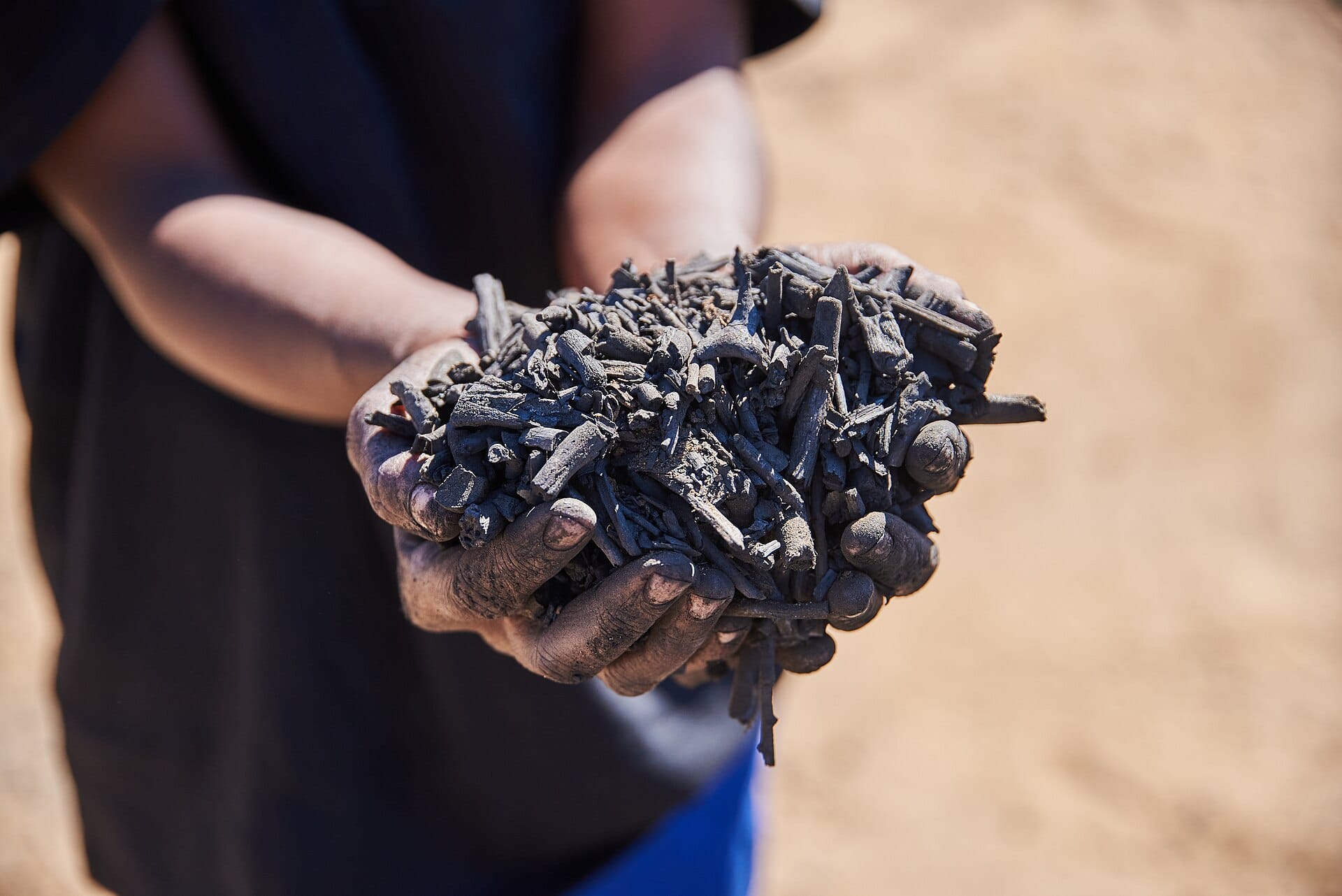
Biochar is charcoal made for the soil. Plant material is heated with little or no oxygen, so instead of burning away, its carbon is locked into a stable, porous form that can last in the ground for hundreds or even thousands of years.

Born in the Amazon
More than 2,000 years ago, communities along the Amazon mixed charcoal, broken pottery, bone and food scraps into their soil. The result was terra preta, "black earth". Most Amazon soil is thin and poor, yet these patches are still some of the richest ground in the region today, and locals dig them up to sell as garden soil.
How it works
Biochar's tiny pores act like a sponge, holding water and nutrients that would otherwise wash away, and sheltering the microbes and fungi that help roots grow. It also eases acidity, which suits the sandy granite soils of the Granite Belt.
At Sailor Jack
The plant will make biochar from the same biomass it turns into fuel. Mixed with the operation's own fertiliser, it goes back into the pasture and the replanted forest, building healthier soil while storing carbon for the long term.
The gas that becomes fuel
Syngas, short for synthesis gas, is a mix of hydrogen and carbon monoxide given off when biomass is heated without air. Those two simple molecules are building blocks: put back together the right way, they become petrol, diesel and other fuels.

A wartime fuel
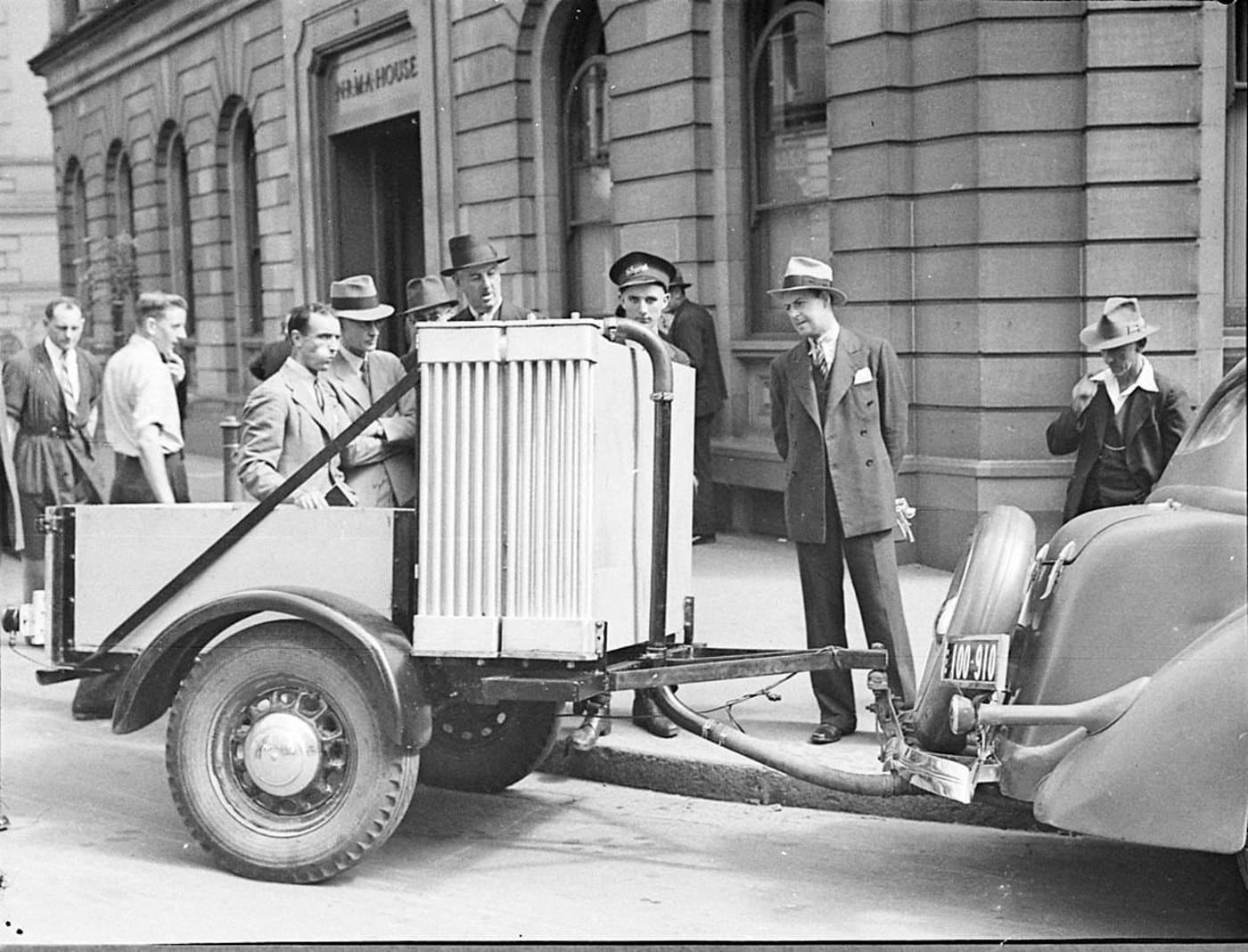
In 1925, German chemists Franz Fischer and Hans Tropsch found how to join hydrogen and carbon monoxide into liquid fuel. During the Second World War, with petrol rationed, thousands of Australian cars and trucks ran on gas from charcoal "gas producers" like the one above. South Africa has made fuel from syngas on a large scale since the 1950s.
How it's made
Inside a sealed reactor, electric heaters raise the biomass to high temperatures with no air. Instead of burning, the wood breaks apart: the solid carbon stays behind as biochar and the rest comes off as gas. Running hotter gives more syngas and less biochar, so the balance can be tuned.
At Sailor Jack
The syngas is cleaned of tar and dust, then passed over a catalyst in the Fischer–Tropsch unit, which builds it up into the long carbon chains of petrol and diesel. Because the sun supplies the heat instead of burning part of the gas, more of every tonne of biomass ends up as fuel.
Want to know more?
We're happy to talk about the project with anyone who's interested.