 AIS
Energy, grown from sunlight.
We're developing a solar-powered biomass energy operation at Sailor Jack Station on the Granite Belt. It will turn sustainably grown timber and crops into fuel, fertiliser and power, and put carbon back into the soil. It's designed to be carbon negative.
A farm that powers itself, and more
Sunlight grows the biomass and also runs the plant that converts it. Very little goes to waste, and what's left goes back into the land.
Solar powered
Solar panels with non-metal battery storage run the operation day and night, so it doesn't depend on the grid or on diesel generators.
Biomass to fuel
Timber from Sailor Jack and 2,800 hectares of leased forest, plus crops grown on the land, is converted into petrol, diesel, biochar and fertiliser. What's harvested is replanted.
A closed loop
Spare heat and CO₂ feed greenhouses, biochar enriches the soil, and the cattle and crops share the same land.
Sailor Jack Station
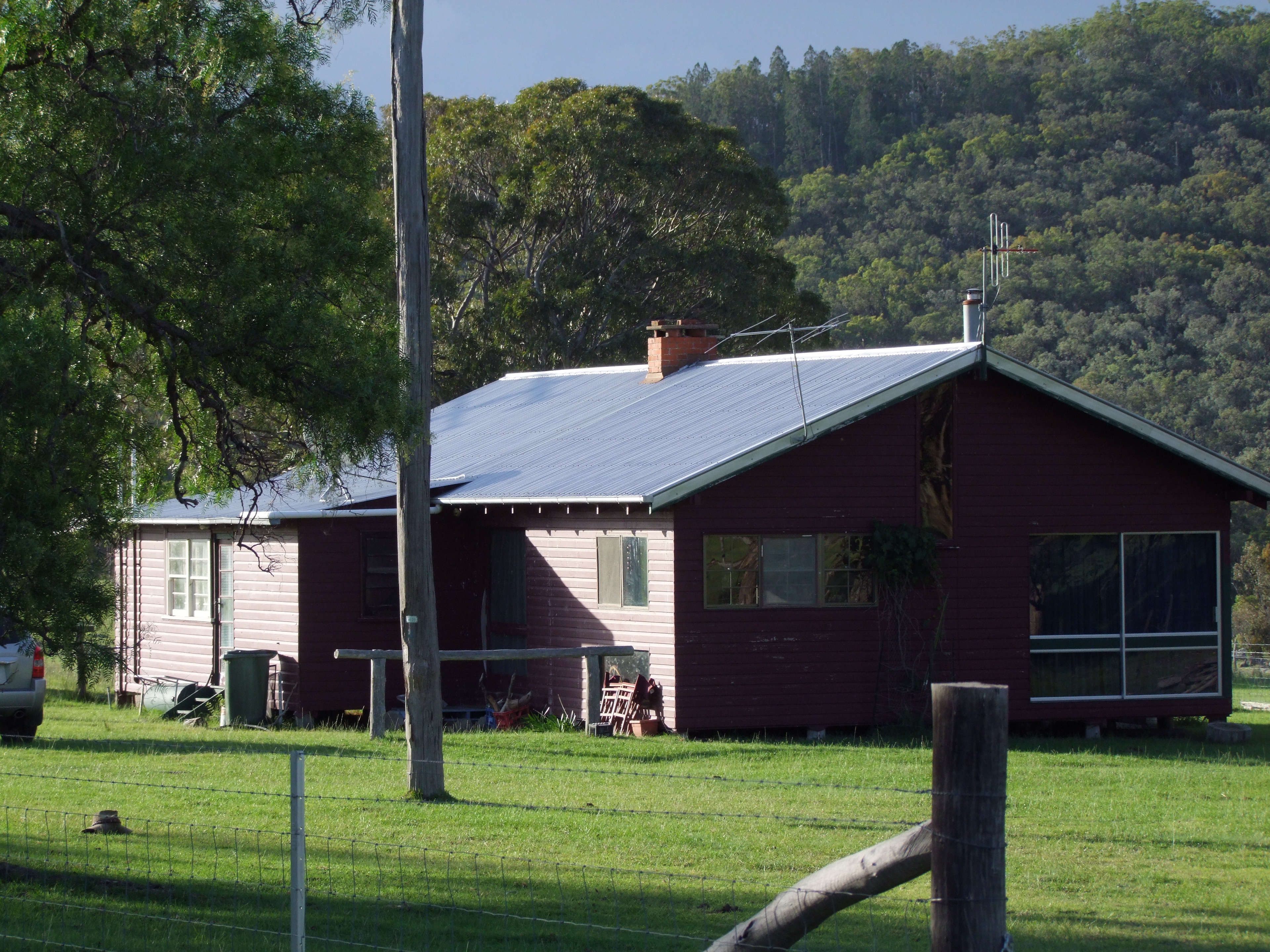
About 1,700 hectares of forest, granite hills and pasture on the Queensland–New South Wales border. It's a working cattle station, and it will be the home of the first AIS energy operation.
Alongside it, we hold leases over 2,800 hectares of forest at Donnybrook and Remington, where we're permitted to harvest timber responsibly. That's about 4,500 hectares of country behind the project.
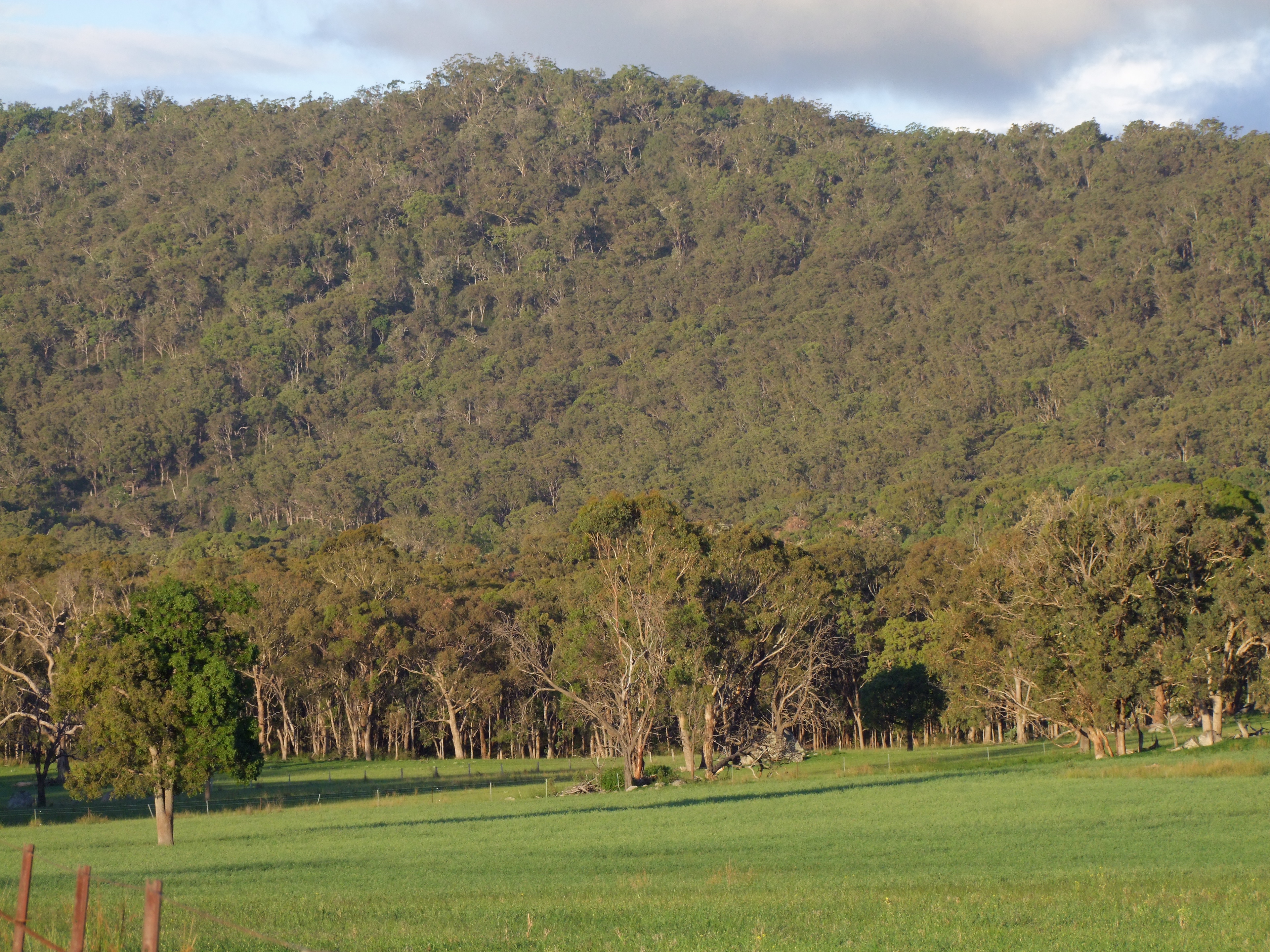
Visit Sailor Jack
Granite country, big sunsets and a working station. Visits are by arrangement, whether you're curious about the project or just want a few quiet days in the bush.
The people behind AIS
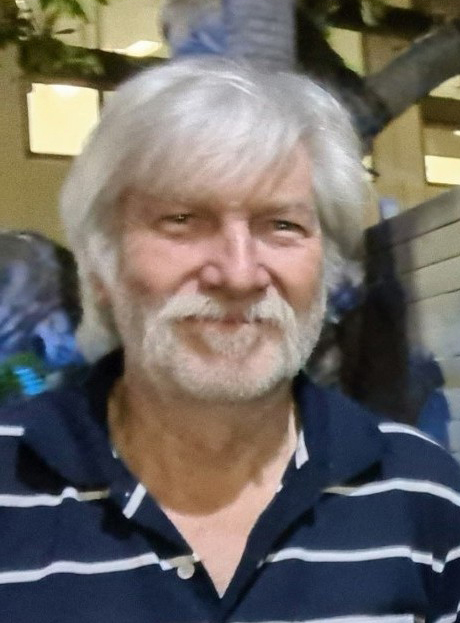
Colin Rohde
Project manager, ideas man & engineer
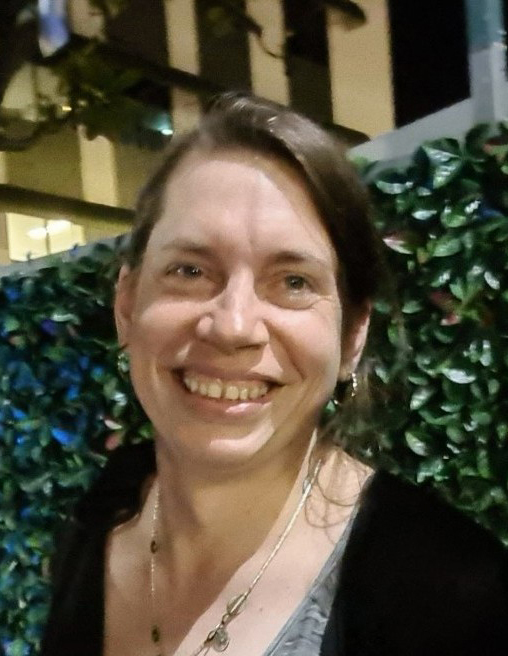
Ricci Rohde
Graphic designer & IT specialist
30+ years of digital design & IT system management
Interested in the project?
Whether you're thinking of partnering with us, working in energy research or simply a neighbour, we'd like to hear from you.